Is Thai Massage Good for Stress Relief and Muscle Tension?

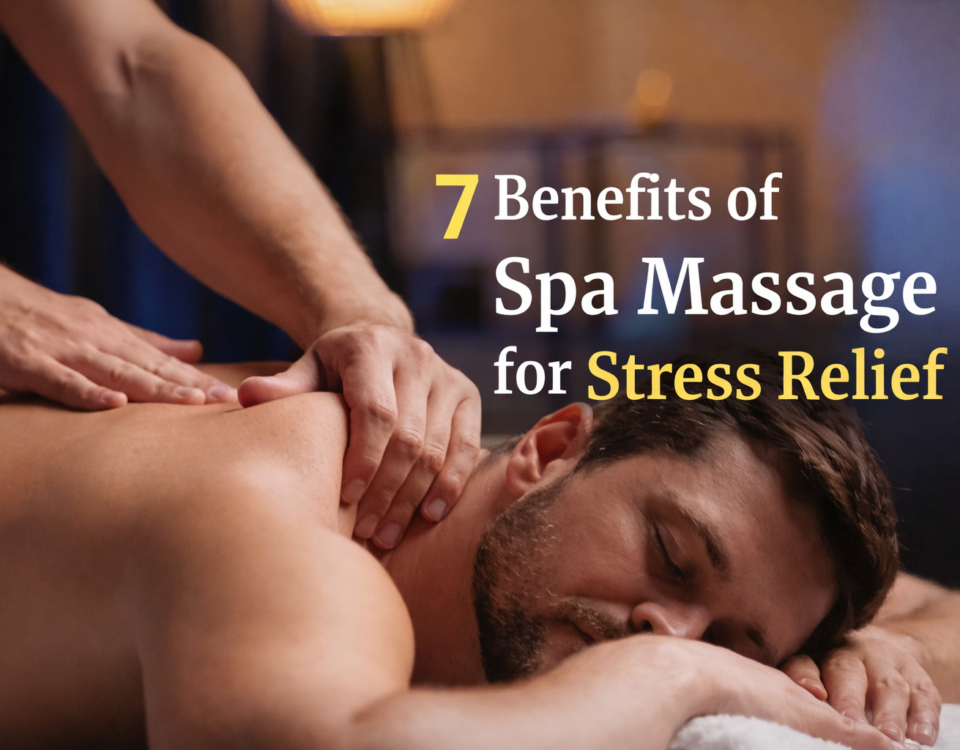
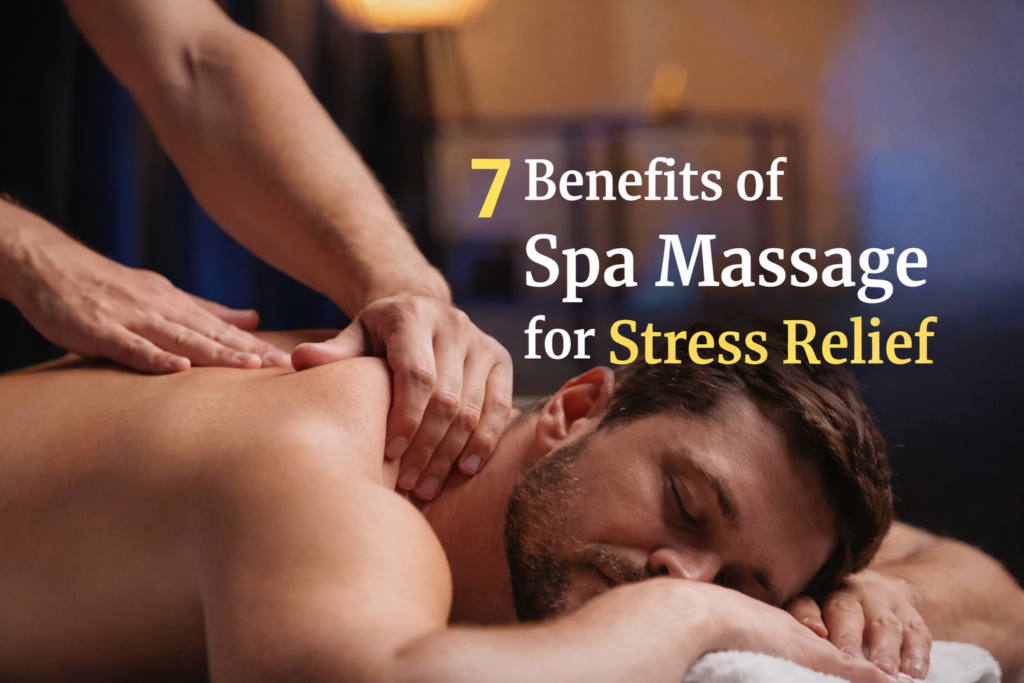
7 Benefits of Spa Massage for Reducing Anxiety and Stress Naturally
April 8, 2026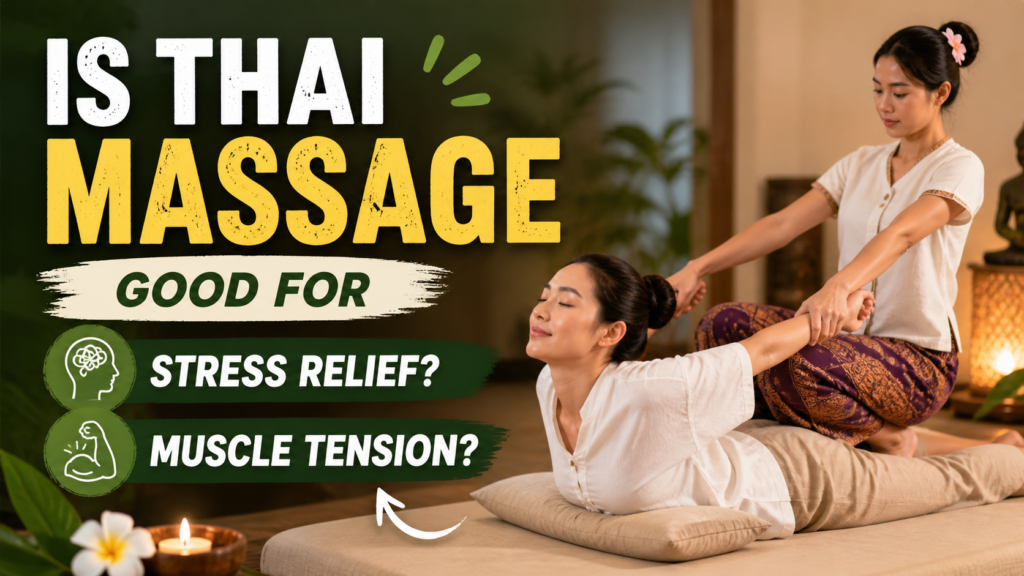
If you’re constantly dealing with tight muscles, fatigue, or mental overload, you’ve probably wondered whether Thai Massage is actually worth trying.
The short answer: yes, it can be highly effective. But it’s not magic, and it’s not for everyone in every situation. Understanding how it works and when it helps is what makes the difference.
What Makes Thai Massage Different?
Unlike typical oil-based therapies, Thai Massage focuses on movement, pressure, and stretching. It combines assisted yoga-like positions with rhythmic compression along energy lines in the body, which is why many people seeking traditional thai massage in udaipur prefer it for a more active and engaging experience. This makes it more active than passive massage styles.
Instead of just relaxing muscles on the surface, it targets deeper layers and improves mobility at the same time. That’s why it’s often recommended for both stress relief massage and physical stiffness.
You’re not just lying there—you’re being stretched, rotated, and gently manipulated. For some people, that’s exactly what their body needs. For others, especially beginners, it can feel intense.
How Thai Massage Helps with Stress Relief
Stress isn’t just mental—it shows up physically. Tight shoulders, headaches, shallow breathing, and poor sleep are all signs your body is holding tension.
Thai Massage works on multiple levels to address this:
First, the slow, rhythmic pressure calms the nervous system. When your body feels safe and supported, it shifts from a “fight or flight” state to a relaxed mode. This is where real stress recovery begins.
Second, stretching improves blood circulation. Better circulation means more oxygen to your muscles and brain, which directly impacts how you feel mentally.
Third, it encourages deeper breathing. Many techniques naturally open up the chest and diaphragm, making it easier to breathe fully. That alone can significantly reduce stress.
This is why many people turn to massages for stress when they feel overwhelmed—it’s not just about relaxation, it’s about resetting the body.
Can It Really Reduce Muscle Tension?
Yes, but not in the same way as a typical deep tissue massage.
Thai Massage focuses on lengthening muscles rather than just pressing into knots. This approach improves flexibility and releases tightness over time instead of forcing immediate relief.
If you sit for long hours or have poor posture, your muscles adapt by shortening. That’s where muscle tension relief through stretching becomes powerful. The assisted movements help restore balance and reduce stiffness naturally.
It’s especially effective for:
Neck and shoulder tightness caused by screen time
Lower back stiffness from sitting or driving
Hip tightness from lack of movement
Leg fatigue from standing or physical work
Unlike quick fixes, this method works deeper and often provides longer-lasting results.
The Science Behind the Benefits
There’s growing evidence supporting the benefits of Thai massage, especially when it comes to physical and mental health.
Research shows that stretching combined with pressure can:
Improve joint mobility
Reduce cortisol (stress hormone) levels
Increase serotonin and dopamine (feel-good hormones)
Enhance blood flow and lymphatic drainage
These physiological changes explain why people often feel both relaxed and energized after a session.
However, results depend on consistency. One session helps, but regular sessions create noticeable improvement in both stress levels and physical comfort.
Who Should Consider Thai Massage?
If your stress is showing up physically, Thai Massage is a strong option. It’s particularly useful if you:
Feel constantly tight or stiff
Have limited flexibility
Experience stress-related body pain
Prefer active therapy over passive relaxation
It’s also a good choice if you’ve tried regular massage for stress but didn’t get long-term relief.
That said, it’s not ideal if you’re recovering from injuries, have severe joint issues, or prefer a gentle, relaxing experience. It can feel intense if your body isn’t used to stretching.
What to Expect During a Session
A typical session is done on a mat, not a table. You stay fully clothed, and the therapist uses hands, elbows, knees, and sometimes feet to apply pressure and guide movements.
There’s a structured flow, often starting from the feet and working upward. You’ll be moved into different positions that stretch and open up your body.
The experience can feel unusual at first, especially if you’re expecting something like a spa massage. But once your body adjusts, it starts to feel natural.
It’s important to communicate. If something feels too intense, say it. The effectiveness of Thai Massage depends on proper pressure—not excessive force.
Real Benefits vs. Expectations
Let’s be clear: it’s not a miracle cure. It won’t eliminate chronic stress overnight or fix years of muscle imbalance in one session.
But it does offer practical, noticeable improvements when used correctly, especially when you understand the real benefits of spa massage and how they build over time.
For stress, it helps your body switch off and recover. For muscle tension, it improves flexibility and reduces tightness over time.
The key is consistency and realistic expectations. If you treat it as part of your routine—not a one-time fix—you’ll see better results.
Tips to Maximize Results
To get the most out of your sessions, don’t just show up and leave. What you do around the massage matters.
Stay hydrated before and after. This helps flush out toxins released during the session.
Avoid heavy meals right before your appointment. Your body needs to move freely.
Give your body time to rest afterward. Don’t jump straight into intense activity.
If you’re using it for muscle tension relief, combine it with light stretching at home. This reinforces the benefits.
And most importantly, choose a trained therapist. Technique matters more than anything else.
Is It Better Than Other Massage Types?
Not necessarily better—just different.
If your goal is deep relaxation with minimal movement, Swedish massage might suit you better. If you want targeted pain relief, deep tissue might be more effective.
But if you’re looking for a balance between relaxation, flexibility, and long-term improvement, Thai Massage stands out.
It’s especially effective for people who feel “stuck” in their bodies—tight, restricted, and constantly fatigued.
When You Might Want to Avoid It
There are situations where this approach isn’t ideal.
If you have recent injuries, fractures, or severe joint conditions, the stretching can do more harm than good.
Pregnant individuals should only go to specialists trained in prenatal techniques.
If you’re extremely sensitive to pressure or pain, start with something gentler before trying this style.
Ignoring these factors can turn a helpful therapy into an uncomfortable experience.
How Often Should You Get It?
This depends on your goals.
For general stress relief massage, once every 2–4 weeks is usually enough.
For chronic stiffness or muscle tension relief, weekly sessions for a short period can help reset your body.
After that, you can reduce frequency and maintain results with occasional sessions.
Consistency matters more than frequency. Even once a month is useful if you stick with it.
Final Takeaway
Thai massage is effective for both stress relief and muscle tension—but only if you approach it correctly.
It works by combining movement, pressure, and stretching to reset your body and mind. It’s not just about feeling relaxed in the moment—it’s about improving how your body functions over time.
If your stress is physical, your posture is poor, or your muscles feel constantly tight, this approach can genuinely help, especially when you choose the best spa in udaipur for a professional and authentic experience.
But don’t expect instant transformation. Treat it as a tool, not a shortcut. Combine it with better daily habits, and that’s when you’ll start seeing real results.